What it is
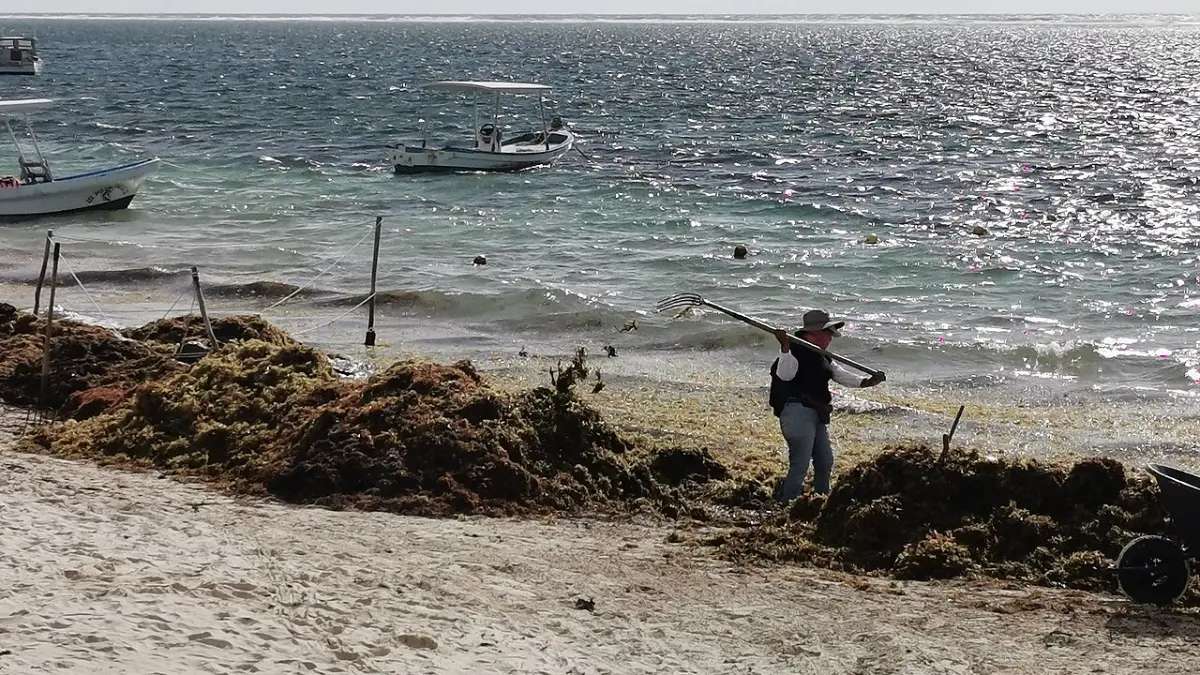
Sargassum is a free-floating seaweed that drifts across the Atlantic. Large amounts reach the Caribbean most years. On the beach it piles up, turns brown and, as it rots, smells of sulfur. Many resorts rake it daily, and Mexico uses offshore barriers and boats to collect it.
When it's worst (Mexican Caribbean)
- Best months: December and January, then February and November.
- Starting: March and April, usually south of Cancún first.
- Peak: June to August, with July often the heaviest.
- Easing: September and especially October, when many beaches clear again.
Every year is different. 2025 and 2026 were heavy years on Mexico's coast, so check a recent sargassum report a week or two before you fly.
Which beaches stay clearer
- Cancún's north-facing beaches (Playa Norte area, Puerto Cancún, the northern Hotel Zone) catch less than the east-facing side.
- Isla Mujeres' Playa Norte and Cozumel's west coast are sheltered and rarely badly affected.
- Playa del Carmen, Akumal and Tulum are among the most exposed in peak months.
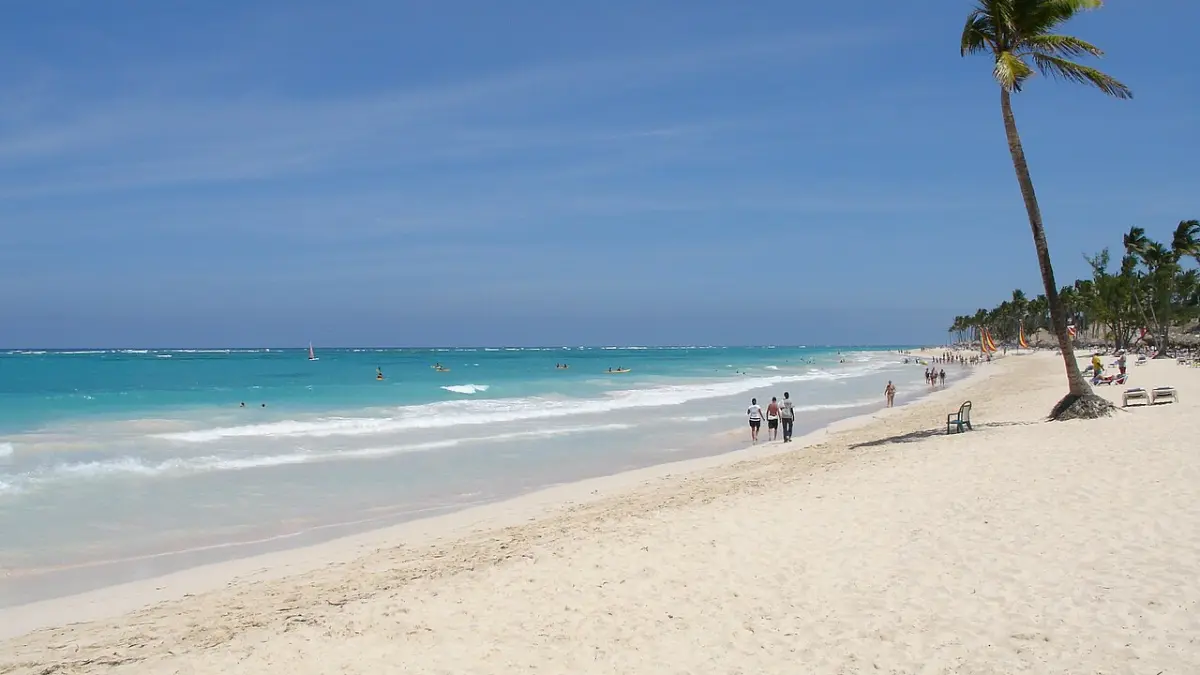
- Punta Cana gets it too in summer, though many Bávaro resorts clean their beaches daily.
How to plan around it
- Travel December to February if beach water clarity matters most.
- In summer, prefer resorts with good pools, a north-facing beach, or a short ferry ride to Isla Mujeres or Cozumel.
- Read reviews from the past two weeks, which tell you more than the resort's photos.
- Ask the resort directly if they clean the beach daily.