The dates
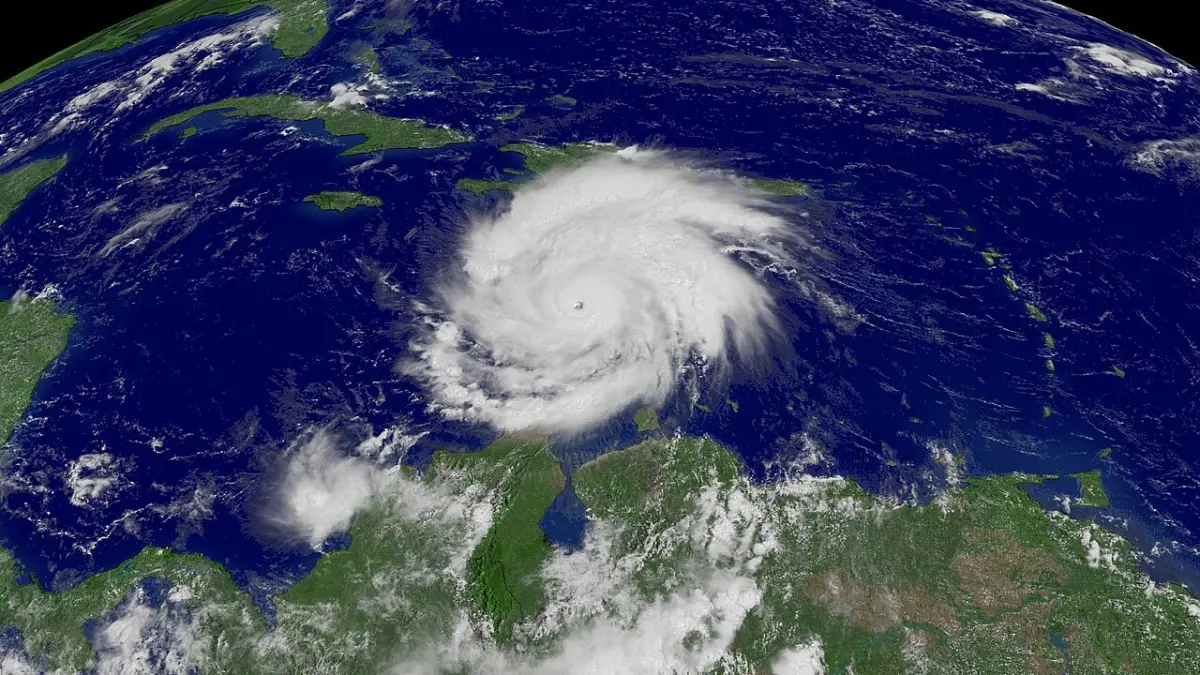
The Atlantic hurricane season officially runs from June 1 to November 30. Storms are most common from mid-August to mid-October, with the statistical peak around mid-September. June, July and November see far fewer.
What it's actually like
Most weeks in hurricane season have no named storm nearby. What you will notice is heat, humidity and short, heavy afternoon showers that pass in an hour. If a storm does approach, you'll usually get several days of warning, and resorts in the region have hurricane plans and reinforced buildings.
How to protect your trip
- Book refundable or flexible rates where the difference in price is small.
- Buy travel insurance soon after booking. Many policies won't cover a storm once it has been named.
- Check the policy wording for trip cancellation, trip interruption and travel delay due to weather.
- Pay with a credit card that has travel protection, and keep confirmation emails.
- Watch the airline's travel waiver page. Airlines often allow free changes when a storm is forecast.
- Follow the National Hurricane Center (nhc.noaa.gov) in the week before you fly.
Lower-risk choices within the season
- Travel in June, July or early November instead of September.
- Choose a shorter stay so a delay costs fewer resort nights.
- Pick a resort near the airport in case flights are moved.
If you can only travel in September, it can still be a great-value trip. Go in knowing the risk, with insurance and a flexible booking.